

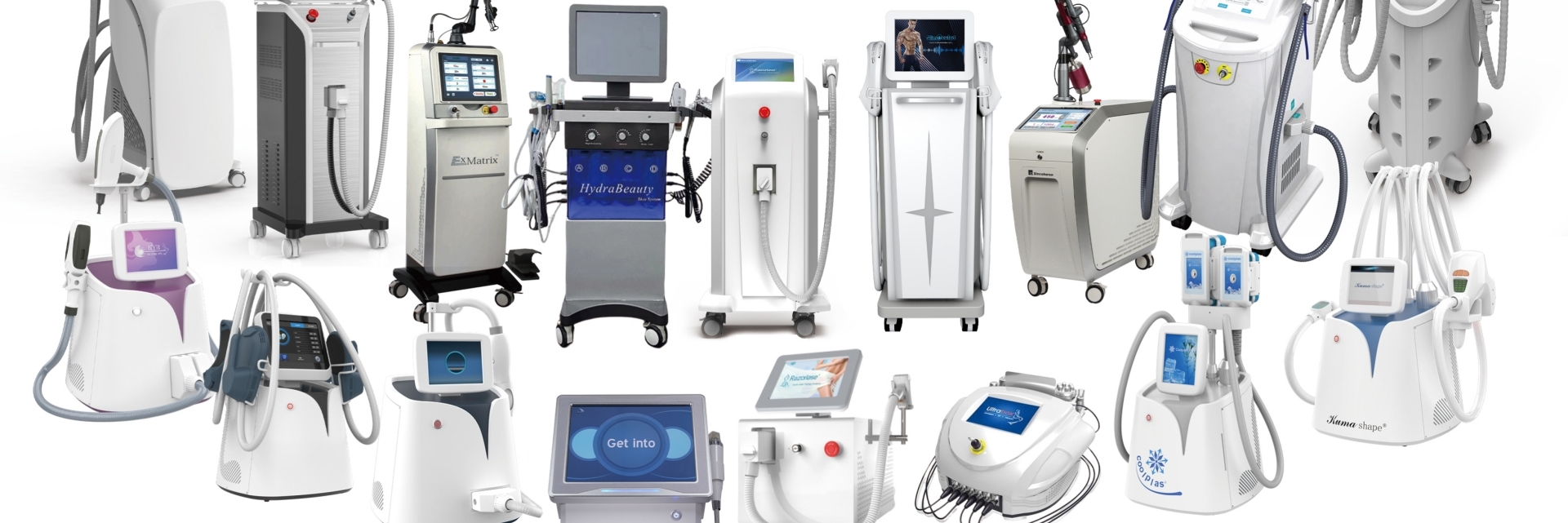


CO2 Laser vs. RF Microneedling: Which Is Better for Stretch Marks?
Why clinics choose fractional CO2 laser
A CO2 Fractional Laser Machine delivers laser energy through microscopic treatment zones, supporting skin resurfacing while preserving surrounding tissue. This approach is widely used for stretch marks, uneven texture, scars, enlarged pores, and other resurfacing applications permitted for the relevant market. For clinics that want to expand their treatment menu, professional fractional co2 laser equipment can support several popular procedures from one platform. This makes co2 fractional laser skin resurfacing a practical addition for clinics focused on results-based aesthetic services.
Stable performance from a metal RF tube
The Sincoheren CO2 laser uses a metal RF tube designed for stable energy output and reliable beam quality. Its construction helps reduce polarization drift during operation, giving practitioners better consistency when performing repeated procedures. For buyers comparing different technologies, an rf excited co2 fractional laser can offer a useful balance of precision, operating stability, and treatment flexibility. A dependable laser co2 fractional system also helps clinics standardize treatment parameters across their medical or aesthetic teams.
The advantage of 0.02 mm RF microneedles
Sincoheren RF microneedling technology uses 0.02 mm ultra-fine needle tips to deliver radiofrequency energy at controlled depths. This gives practitioners another way to address stretch marks while limiting extensive surface ablation. RF microneedling is especially attractive to clinics that want adjustable treatment depths and a treatment experience suited to a wider range of patient needs. A Portable Fractional CO2 Laser Machine can support resurfacing services, while RF microneedling adds a complementary option for personalized protocols.
Which system is right for your business?
Clinics seeking stronger resurfacing capability may prefer a CO2 Fractional Laser Machine, particularly when stretch marks are part of a broader scar and texture treatment menu. RF microneedling may be more suitable when adjustable treatment depth and reduced surface disruption are priorities. Many professional buyers choose to offer both technologies because they address different consultation outcomes. This approach gives practitioners more control and makes it easier to recommend a treatment based on skin condition rather than forcing every patient into the same protocol.
Manufactured by an experienced global supplier
Founded in 1999, Sincoheren is one of China's top three medical aesthetic equipment manufacturing exporters. The company has more than 25 years of experience in product development, manufacturing, international distribution, and regulatory support. The relevant CO2 laser configuration is supported by FDA, Medical CE, and ISO 13485 documentation, while the RF microneedling system is supported by FDA documentation. Buyers searching for a reliable co2 fractional laser for sale can also receive product configuration guidance and export support from an established manufacturer.
Build a treatment portfolio that can grow
Choosing between CO2 laser and RF microneedling does not have to limit your clinic. Sincoheren can help you compare configurations based on treatment positioning, available space, customer profile, local regulations, and business plans. Our team can also provide product information, operating guidance, marketing materials, and after-sales coordination. Contact Sincoheren to request specifications, market-specific certification documents, distributor terms, or a tailored product quotation.
